
Movement Does Not Have to Mean Intense Exercise
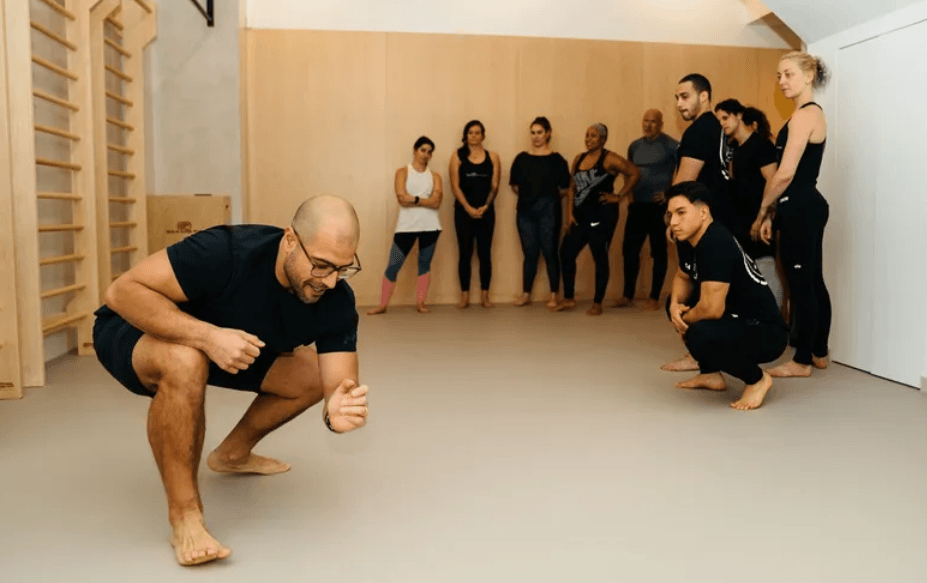
When people hear the phrase “physical activity,” they may imagine crowded gyms, long-distance running, or demanding workout programs. Those activities can be valuable, but they are not the only ways to remain active. Everyday movement can also play an important role in maintaining an active lifestyle.
Walking to nearby destinations, gardening, cleaning the house, cycling, playing recreational sports, dancing, or taking short movement breaks can all add activity to a person’s day. The key is finding practical ways to avoid spending the entire day sitting or remaining inactive.
Physical activity can also be enjoyable. Instead of treating movement as a chore, people can choose activities that match their interests. Someone who dislikes running might enjoy swimming, while another person may prefer walking outdoors or participating in a sport.
Starting with realistic goals is often more helpful than attempting a demanding routine immediately. Gradual progress can make activity feel manageable and help establish consistency.
Add More Movement to Daily Tasks
Many opportunities for movement already exist within ordinary routines. Taking stairs when appropriate, walking during phone conversations, parking farther from a destination, or standing periodically during desk work can increase daily activity without requiring a formal workout.
People who spend many hours at computers can benefit from short movement breaks. Standing up, walking around the room, stretching, or performing a few gentle mobility movements can break up long periods of sitting.
Household responsibilities can also involve considerable movement. Cleaning, organizing, gardening, washing a vehicle, or carrying groceries all require the body to move. These activities should not necessarily be viewed as replacements for structured exercise, but they can contribute to a more active lifestyle.
The important idea is to recognize movement opportunities instead of assuming that exercise only counts when it happens in a gym.
See also: thealitekeepsafe.com
Find Activities You Actually Enjoy
Enjoyment can influence whether a person continues an activity over time. If every workout feels unpleasant, maintaining the routine can become difficult. Experimenting with different forms of movement can help people discover something that fits their personality.
Walking is accessible for many people and can be done alone or with others. Dancing can provide an energetic activity while also offering entertainment. Cycling, swimming, hiking, sports, and group classes provide other possibilities.
Social activities can add another layer of motivation. Meeting a friend for a walk or joining a recreational group may make physical activity feel like a social event rather than an obligation.
Outdoor activities can also provide a change of environment. Spending time outside while walking, gardening, or participating in recreational activities may make movement more refreshing.
Include Strength and Flexibility
A balanced activity routine can involve more than cardiovascular movement. Strength-focused activities can support muscles and physical function, while flexibility and mobility exercises can help people move through everyday tasks more comfortably.
Strength training can involve bodyweight movements, resistance bands, free weights, or suitable machines. Beginners should learn appropriate techniques and avoid increasing intensity too quickly. Proper form can help reduce unnecessary strain.
Flexibility work may include gentle stretches performed after activity or as part of a separate routine. Mobility exercises can focus on comfortable movement through different ranges.
People with injuries, chronic health concerns, or other limitations should consider professional guidance when planning a new exercise program. The goal should be appropriate movement rather than competing with someone else’s fitness level.
Make Consistency the Main Goal
One of the biggest challenges with exercise is creating a routine that survives busy weeks. A plan that requires a large amount of free time may quickly become difficult to follow. Shorter, realistic sessions can sometimes fit more easily into everyday schedules.
For example, someone might walk for a short period before work, take movement breaks during the day, and perform simple strengthening exercises several times a week. Another person may prefer longer activities on selected days.
Tracking progress can help some people remain motivated, but numbers should not become the only measure of success. Feeling more comfortable with movement, having greater confidence, or developing a regular routine can also represent meaningful progress.
Physical activity does not need to be extreme to become valuable. By incorporating movement into daily tasks, choosing enjoyable activities, and gradually developing strength and mobility, people can create sustainable habits that support their overall health and everyday independence.

One Comment