
Protecting Intellectual Property in the Digital Age
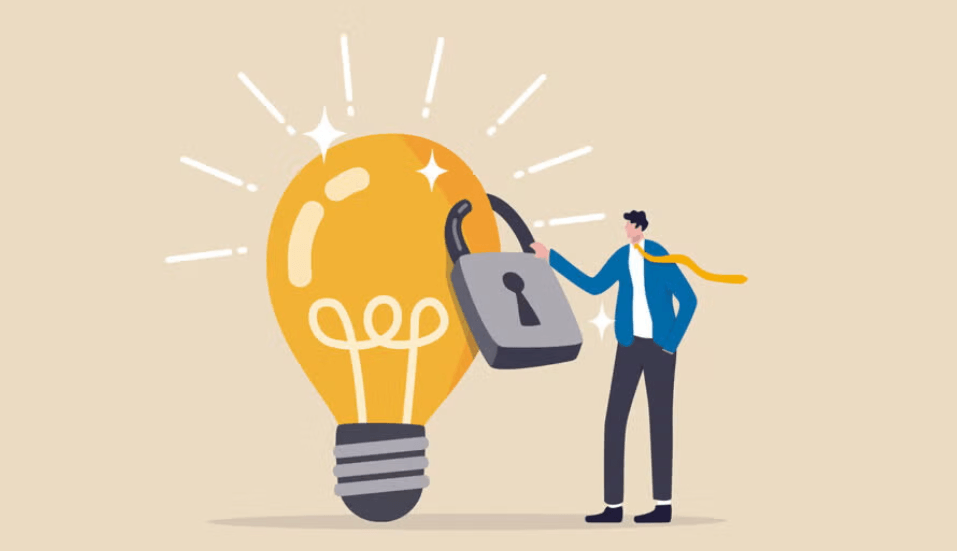
What Intellectual Property Covers
The internet has made it easier than ever to create, publish, share, and distribute content. Businesses and individuals can produce articles, photographs, software, logos, videos, designs, and other creative materials for audiences around the world.
These creations may involve different forms of intellectual property. Copyright can protect certain original creative works, while trademarks can protect identifiers such as names, logos, and other marks used in commerce. Patents can protect qualifying inventions, subject to applicable legal requirements.
The specific protection available depends on the type of creation and the law of the relevant jurisdiction.
Understanding these concepts is important because digital content can be copied and redistributed quickly.
Protect Original Creative Work
Creators should keep records that demonstrate the development and ownership of their work where appropriate. Drafts, original files, dated project records, and licensing documents can help establish a history of creation and authorized use.
Businesses that employ designers, writers, photographers, or developers should also clarify ownership arrangements. Depending on the jurisdiction and contractual terms, creating something for a business does not always answer every question about intellectual property rights.
Written agreements can specify who owns the resulting work, what permissions are granted, and whether the creator can reuse the material elsewhere.
Understand Licensing and Permissions
Finding an image, article, video, software package, or design online does not automatically mean it is free to use. Content may be protected by copyright or another legal right even when it is publicly accessible.
Licensing agreements can provide permission to use protected material under specific conditions. Some licenses may permit commercial use, while others may restrict modification or redistribution.
Before using third-party content, businesses and creators should check the applicable license carefully. Keeping records of licenses and permissions can also make future questions easier to resolve.
When the legal status of material is unclear, professional legal advice can help determine the appropriate approach.
See also: thealitekeepsafe.com
Protect Brands and Business Identity
A company’s name, logo, slogan, or other distinctive identifier can become an important part of its public identity. Trademark law may provide protection for qualifying marks, but registration systems and requirements vary by jurisdiction.
Businesses should consider whether a proposed name conflicts with existing rights before investing heavily in branding. A name that appears available on social media may still create legal issues if another party has relevant rights.
Consistent use of branding and appropriate recordkeeping can help businesses manage their intellectual property more effectively.
Respond to Possible Infringement
Digital infringement can take many forms. Someone may reproduce an article without permission, use a business logo without authorization, copy photographs, distribute software improperly, or sell products using another party’s branding.
The appropriate response depends on the specific right involved and the jurisdiction. Possible steps may include documenting the alleged infringement, contacting the platform hosting the material, sending an appropriate legal notice, negotiating a resolution, or pursuing formal legal remedies.
Accusations should be made carefully because not every similar-looking work necessarily constitutes infringement. Exceptions, licenses, permissions, fair-use or fair-dealing rules, and other legal doctrines may apply depending on the circumstances.
Protecting intellectual property in the digital age requires both awareness and documentation. Creators and businesses can reduce unnecessary problems by understanding ownership, reviewing licenses, securing appropriate agreements, and responding carefully when their work appears to be used without authorization.
One Comment